

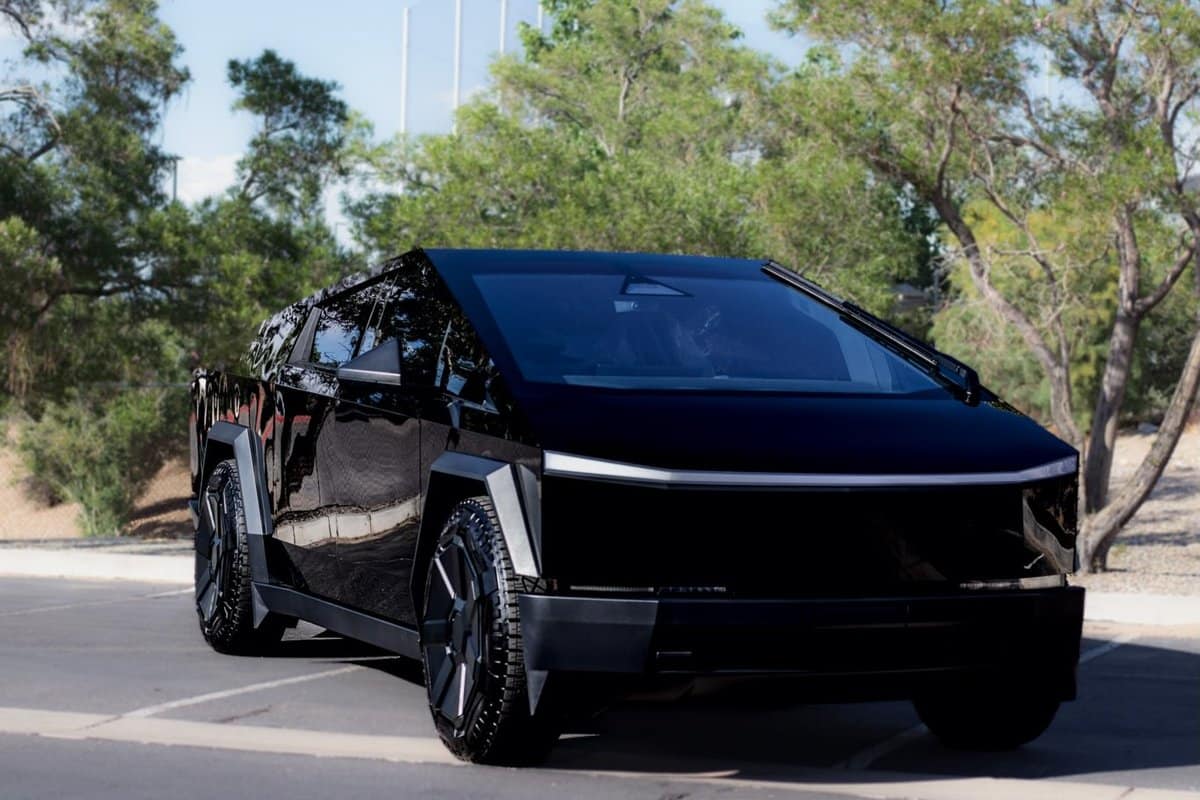
If your vinyl wrap is near the end of its life, the next choice is bigger than a new color. You can replace it with color PPF, go back to the factory paint under clear or matte PPF, or put on another wrap. Switching from vinyl wrap to PPF changes what the film is made of, how you care for it and how much attention the paint underneath needs.
This article is for owners who already have a wrap on the car. If you’re starting from bare paint and want the basic differences first, the side-by-side comparison of vinyl and color PPF covers that.
Why Wrap Owners Start Looking at PPF
Vinyl Is Built for Color, Not Impact
Color change vinyl is usually a PVC film designed to change how a car looks. It isn’t engineered as a protection film, and the warranty language reflects that. Avery Dennison’s Supreme Wrapping Film data sheet states that abrasion and loss of gloss are not covered by any Avery Dennison warranty and treats them as normal wear and tear.
PPF is a polyurethane film made to help absorb stone chips and resist surface marring. If front-end chips are what bother you most, that difference in purpose matters more than any color swatch.
Hoods and Roofs Often Show Wear First
Avery Dennison’s durability table for its own SW900 Color film rates horizontal surfaces like hoods, roofs and trunk lids for much less time than vertical panels like doors, in each of its climate zones. That’s one maker’s rating for one film line, not a rule for every wrap, but read generally it suggests top surfaces tend to age first.
In a sunny climate like Albuquerque’s, the top surfaces are often where an aging wrap shows it first, with fading, chalking or a duller finish while the doors still look fine. Innovative Wraps’ guide to how long wraps last lists the signs a vinyl wrap is near the end.
Rock Chips on the Front End
The bumper, hood and mirrors are the high-impact areas on most cars. PPF is designed to help protect them from rock chips and road debris. Film won’t stop dents and can’t promise a chip-free front end, but impact protection is what it was built for. Vinyl wasn’t.
Your Three Options When the Wrap Comes Off
Color PPF
Color PPF is a urethane protection film that carries the color, usually under a self-healing clear topcoat. You get a new color and a protection film in one layer. The trade-off is a smaller color range than vinyl.
Innovative Wraps lists STEK as its paint protection film brand. STEK says its DYNO Color film is made with the same technology as its clear PPF and comes in 8 mil or 10 mil versions.
Clear or Matte PPF Over the Factory Paint
If you’ve decided the original color was fine after all, removing the wrap and putting clear paint protection film on the factory paint adds protection without a new color. Innovative Wraps offers it as Partial Front End, Full Front End and Full Vehicle packages.
If you liked the flat look of a matte wrap, matte PPF can give gloss paint a matte appearance while protecting it.
Another Vinyl Wrap
Rewrapping is still a reasonable choice for some owners. The section near the end covers when.
What Changes When You Move to Color PPF
Self-Healing Has Limits
A PPF topcoat is designed so light swirls and minor scratches fade with heat. STEK’s warranty terms say light scratches on its top-coated films may be removed with hot water or a heat gun, and that a scratch which has penetrated the topcoat will not self-heal. Innovative Wraps’ PPF page puts it more simply: cuts that penetrate the film won’t heal.
The film is there to take abuse so the paint doesn’t, and the film itself can still be marked. STEK’s warranty excludes damage from rocks, road debris and other physical impacts to the film.
Fewer Colors and Finishes
Innovative Wraps offers over 200 vinyl color options between Avery Dennison and 3M. Color PPF catalogs are much smaller, and chrome, color-shift and heavily textured finishes are limited or unavailable. If your current wrap is a specialty finish, check whether a color PPF version exists before you plan the switch around it.
A Different Installation
Avery’s vinyl wraps are applied dry. PPF is typically installed wet, with slip and tack solutions that let the installer position and stretch the film. In color PPF the color sits in the film, so overstretching can change how the color looks, and an uncovered edge can show the original paint. Edge wrapping and seam placement tend to matter more on a color PPF job than on a clear one.
Care and Warranty Conditions
Color PPF comes with ownership rules that vinyl owners may not expect. STEK’s published DYNO warranty terms, which note they may vary by region, include:
- Registration on STEK’s STEK ONE platform within 30 days of installation, followed by the owner activating the warranty from a confirmation email.
- Use of STEK PPF Care Solution, which the terms call a fundamental requirement of the warranty.
- Hand-washing, which STEK recommends because automatic car washes increase the chance of surface scratches.
- One Lot number across every panel, because different lots produce visible color differences. The terms also ask both STEK and the customer to keep a roll from the original Lot for later repairs (black color PPF is excluded).
- The warranty ends when the film is removed, except as part of an approved claim.
That last point matters if you like to change colors often: taking color PPF off to try something new ends STEK’s coverage. Ask your installer which terms apply to your film in the US and who handles registration.
Cost
Innovative Wraps’ own comparison post says color PPF costs more than traditional vinyl. The quote for either depends on the vehicle, how much of it is covered and which film is used. On a wrapped car, ask whether removing the existing wrap is part of the quote or priced separately, since that work has to happen before any new film goes on.
Getting the Paint Ready: Wrap Removal Before PPF
The old vinyl comes off first, and the paint underneath becomes the surface the PPF sits on. Its condition is the main question in any switch.
Vinyl is usually removed warm, with a slow, low-angle pull, and any adhesive residue is cleaned off with an approved remover. Removal can still lift paint that wasn’t sound to begin with. Innovative Wraps’ wrap longevity article notes that waiting too long makes removal harder and can sometimes affect the paint underneath.
STEK’s terms disclaim liability for paint damage when its film is removed from repainted, weak, deteriorated or otherwise compromised paint. If any panel under your wrap was repainted, tell the installer before the job is quoted.
Film sits on top of the paint, so scratches and other defects underneath can still show through clear PPF. That’s why shops inspect the paint after a wrap comes off, and sometimes correct it, before film goes on.
When a Vinyl Wrap Still Makes More Sense
Another wrap is often the better fit when:
- You want a finish color PPF doesn’t offer well, such as chrome, color-shift, a texture or a specific shade from a large catalog. Innovative Wraps’ color change vinyl wraps cover that range.
- Budget is the main limit.
- You expect to change the look again soon, or you won’t keep the car long, as with a lease.
- The vehicle carries business branding or printed graphics.
When you contact Innovative Wraps about color PPF in Albuquerque, have the wrap’s age, its film brand if you know it, and any repaint history ready. Those details shape the removal, the prep and which path fits your vehicle: color PPF, clear PPF or another wrap.